Manufactured Home Living Questions
Discover the modern, affordable reality of manufactured home living.
Manufactured Home Living
Yes, new manufactured homes are built to meet U.S. Department of Housing and Urban Development (HUD) Code. This code regulates the design, construction, strength, fire resistance, energy efficiency, and durability of mobile homes. In addition, it set standards for systems in the mobile home including; heating/cooling, electrical, and plumbing. During the manufacturing process inspectors insure that these standards are being followed. There are many Inspection Agencies that monitor construction of mobile homes as they are built in the factories. This is only true for mobile homes built after the HUD Code effective date of June 15, 1976.
Yes, when your purchase a mobile home you own an asset that you can sell. When you rent your entire rental payment goes to the landlord for them to use to pay for the apartment or home you live in, and they own. With a mobile home purchase each monthly mortgage payment includes a portion for purchase of the home (building your equity) and a portion for the interest on your loan (which is likely tax deductible). Better yet, your mortgage payment and space rent may be less than what you are paying in rent for an apartment or home. And with a mobile home you are no longer sharing walls with your neighbors
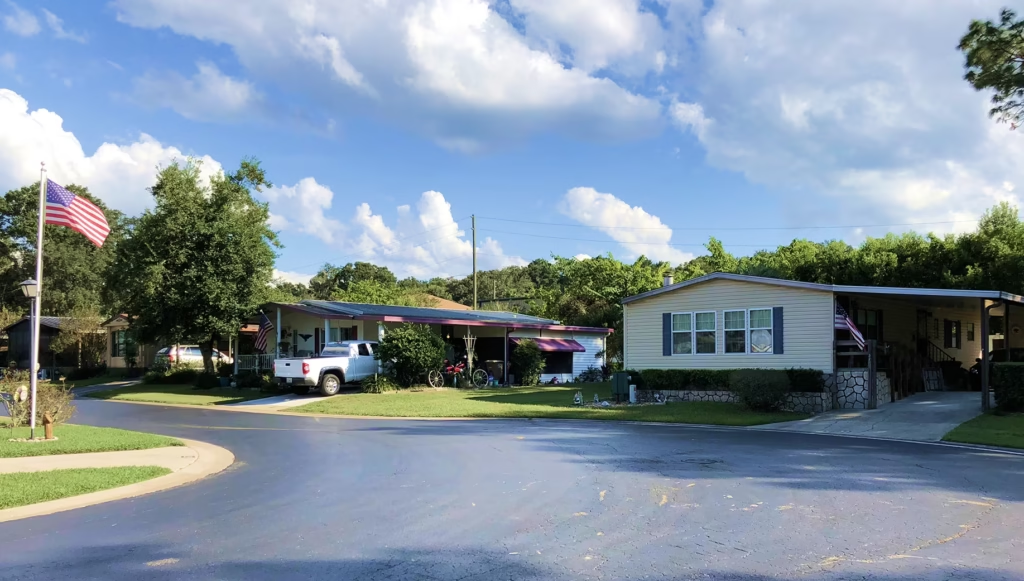
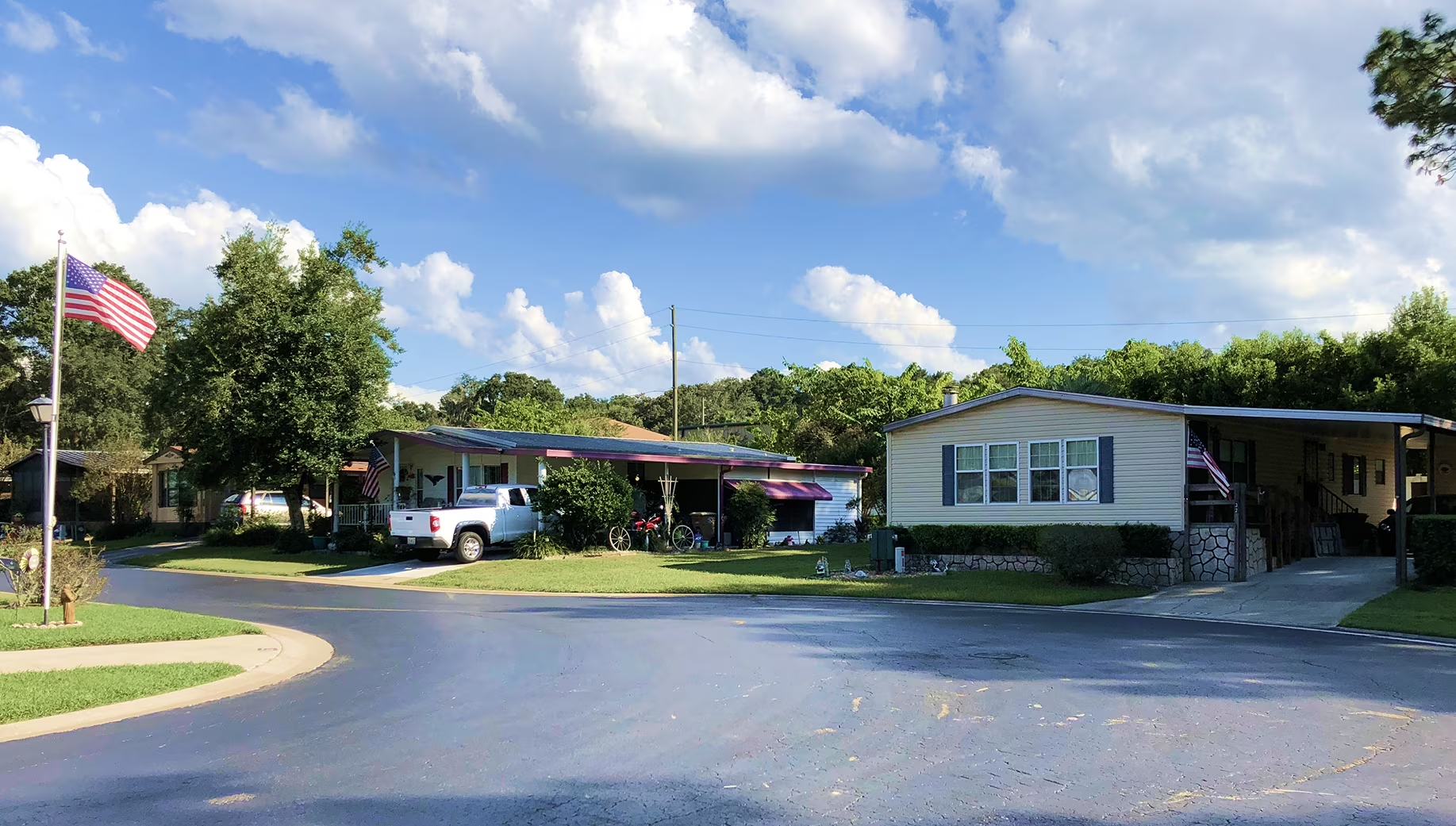
No, not generally. Although they may look similar in shape and certain dimensions, mobile homes can be uniquely yours by doing the same thing that is done with on-site homes; painting, changing siding, and adding features. Various siding materials can be used such as metal, vinyl, wood, or hardboard. Other features can include bay windows, a deck, carport, or even a fireplace. In addition, the owners can add awnings, enclosures, and patio covers to give their home a more unique appearance.
Yes, because mobile homes are built in a factory and under specific guidelines, the amount of waste in construction is significantly less. Moreover, excess materials can readily be recycled within the factory. Most new mobile homes come standard with energy efficient dual pained windows and insulation in the roof, floor and walls allowing the owners to reduce energy usage.
Over 22 million people live in over 10 million mobile and manufactured homes.
Manufactured Homes are built to a set of standards as tough as those facing the site-built home builder. The Federal Manufactured Homes Construction and Safety Standards and The Department of Housing and Urban Development enforces these standards through the Nation Conference of States on Building Codes and Standards. The code covers design, construction, durability, strength, fire resistance, energy efficiency and more!
If you’re looking to get the most out of your “housing dollar,” you should consider a manufactured home. Depending on the region of the country, construction costs per square foot for a new manufactured home are up to 50 percent less than a comparable site-built home, excluding the cost of land. All manufactured homes are built to specifications and codes that require the highest standards in every aspect of construction.
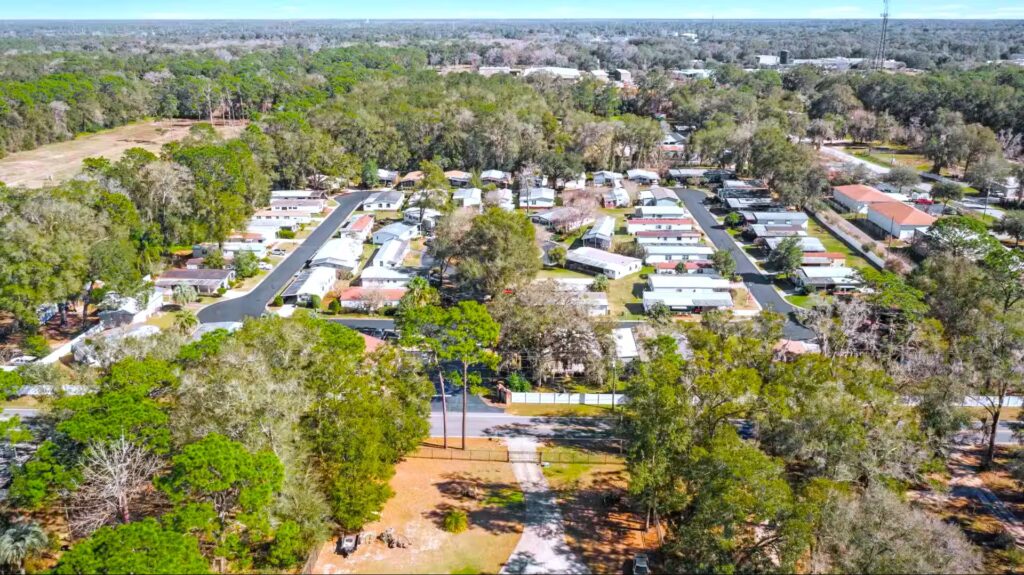
Many of today’s manufactured homes feature innovative designs and custom home features like state of-the-art kitchens, luxury bathrooms and wood burning fireplaces. Some are also available in amenity-rich communities, which include swimming pools, tennis courts, golf courses and more – the same features you might find at a resort. The options for today’s consumer are much more like traditional homes than they were 30 years ago.
Manufactured homes are generally less expensive than buying a single family home. It is a great way to own your own home and have a yard and amenities instead of paying apartment rent. This option offers a way of reaching future goals.
Manufactured homes especially double-wides can be as big as a stick built home. A spacious three bedroom two bath with garages are common.
A manufactured home is constructed entirely in a controlled factory environment, built to the federal Manufactured Home Construction and Safety Standards, better known as the HUD Code. A site-built home is built “on-site” using traditional building techniques that meet either a local or state building code. Starting in 1976, the HUD Code established a stringent series of construction and safety standards that ensure that today’s manufactured homes are superior to “mobile homes,” the term used for factory-built homes produced prior to the HUD Code.
Since then, manufactured homes are dramatically different in appearance and quality those built before 1976. Manufactured homes, like site-built homes, are now available in a variety of designs, floor plans and amenities. Today, they are often indistinguishable from site-built homes and are fully compatible with neighborhood architectural styles.
Browse our FAQ categories to get quick answers to your questions.